
Eyelid Surgery (Blepharoplasty)
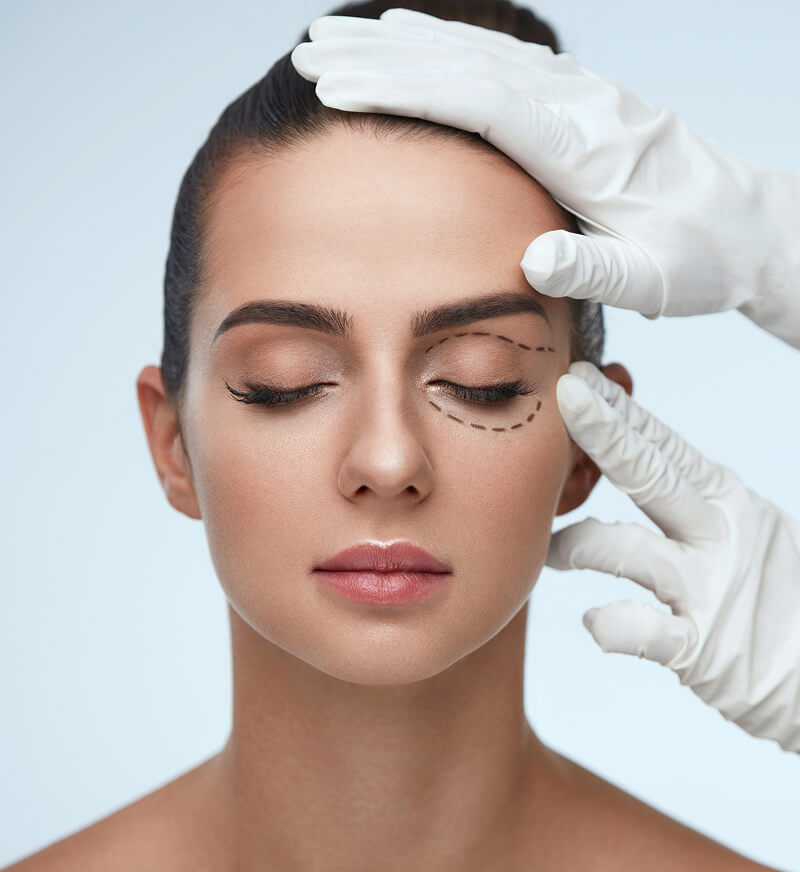
What Is Blepharoplasty?
Types of Eyelid Surgery
Upper
Blepharoplasty
Upper blepharoplasty focuses on removing excess skin and fat from the upper eyelids. Opens the eye and restores a more youthful, alert expression. My approach involves subtle changes that maximize results, avoiding an “overdone” look.
Lower
Blepharoplasty
Targets the under-eye area, removing bags, dark circles, and wrinkles. Helps create a more rested look and can restore volume lost due to aging. Small under-eye changes can dramatically influence your overall facial appearance.
Quad
Blepharoplasty
Blepharoplasty FAQs
Who is a good candidate for a blepharoplasty?
The best candidate for a blepharoplasty has a few key characteristics. These include someone who:
- Is in good overall health
- Does not smoke
- Does not have serious eye conditions
- Has healthy facial tissue and muscle
A person with eye disease, diabetes, thyroid disorder, cardiovascular disease or high blood pressure may not be a good candidate for a blepharoplasty.
How is a blepharoplasty performed?
- Anesthesia: The first step is to numb the treatment area. Usually, only local anesthetic is sufficient to ensure you feel no pain during the surgery.
- Incisions: In upper blepharoplasty, the incision is hidden along the natural crease of the upper eyelid. With lower blepharoplasty, it is typically hidden within the eyelid.
- Adjustments: Depending on your plan, I will complete a combination of a few changes. These can include removing excess skin, repositioning fat, and other techniques.
- Finishing: I check my work multiple times before closing the incisions. Then, you can rest for a while. Once ready, you can return home with someone to drive you.
What is recovery from a blepharoplasty like?
After blepharoplasty, patients may be advised to apply lubricating drops/ointment and cold compresses to aid in healing and minimize side effects. I provide full consulting on steps to follow when recovering, fostering a smooth healing process. Some key points that highlight the process include:
- Most patients return to work within a few days to a week, but should avoid exercise and strenuous activities for at least 2 weeks.
- Stitches are usually removed 3 or 4 days after the procedure.
- Most of the swelling and other side effects typically subside within 2 weeks.
- Contact lenses and eye makeup may not be worn for 2 weeks after surgery.
- Patients are typically advised to wear dark sunglasses outside or in bright light for 2 weeks to protect their eyes from the sun and wind.
What are the results of a blepharoplasty?
Will there be a scar?
How much does blepharoplasty cost?
Will eyelid surgery fix droopy eyelids?
Can I combine eyelid surgery with other procedures?
Schedule Your Consultation
Call my office or use the online form to schedule your consultation for a brow lift today! I provide premier care to patients from the Baltimore, Maryland area and beyond at my practice in Rosedale.